Letsvpn platinum vs standard vs premium choosing your perfect plan
'%2F%3E%3Ctext%20x%3D'50%25'%20y%3D'50%25'%20dy%3D'.35em'%20text-anchor%3D'middle'%20font-family%3D'-apple-system%2CBlinkMacSystemFont%2CSegoe%20UI%2Csystem-ui%2Csans-serif'%20font-size%3D'100'%20font-weight%3D'600'%20fill%3D'%23fff'%3ELB%3C%2Ftext%3E%3C%2Fsvg%3E) Lily Brooks·April 13, 2026·9 min
Lily Brooks·April 13, 2026·9 min
Letsvpn platinum vs standard vs premium choosing your perfect plan: a quick guide to picking the right Letsvpn tier for your needs, plus a deep dive into features, pricing, and real-world use cases. In this video-ready guide, you’ll get practical comparisons, data-backed insights, and tips to maximize value. Whether you’re a casual browser, a streamer, or a privacy-conscious power user, this post breaks down everything you need to know so you can choose confidently.

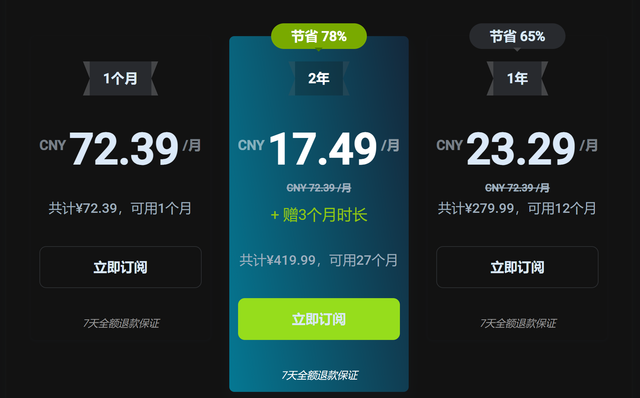

Useful quick facts:
- Most users save by bundling devices across all tiers, so think about how many devices you’ll protect.
- Premium plans often include extras like dedicated IPs, more simultaneous connections, and priority support.
- Prices fluctuate through promotions; always check current promos before subscribing.
Introduction: Quick guide and what you’ll learn
- Quick fact: The right Letsvpn plan balances price, devices, and features you actually use.
- What you’ll learn:
- A side-by-side feature comparison of platinum, standard, and premium
- Real-world scenarios: who should pick which plan
- How to evaluate value beyond sticker price (speed, security, reliability)
- Tips to maximize savings and optimize settings
- A practical step-by-step plan to switch between tiers if your needs change
- Formats you’ll find here: quick bullet points for skim readers, a detailed feature table, and a step-by-step decision guide.
- Useful URLs and Resources (text only, not clickable): Letsvpn official site - letsvpn.com, Privacy.org VPN guide - privacy.org/vpn-guide, AV-Test VPN performance report - av-test.org VPN, Reddit VPN discussions - reddit.com/r/VPN, Wikipedia VPN overview - en.wikipedia.org/wiki/Virtual_private_network
What Letsvpn offers across platinum, standard, and premium
Core features (shared across all tiers)
- Directory-wide kill switch
- AES-256 encryption
- No-logs policy
- IP address rotation
- Browser extensions for Chrome and Firefox
- 24/7 customer support (mostly chat)
Platinum plan: the top tier
- Maximum simultaneous connections: up to 8–10 devices
- Dedicated IP option available
- Priority support with shorter wait times
- Advanced privacy features (obfuscation, stealth mode in some regions)
- Access to premium servers (specialized locations, optimized for gaming or streaming)
- Higher bandwidth allotments and potential speed boosts on certain routes
- Typically higher price but more flexibility for households or small teams
Standard plan: the solid middle ground
- Simultaneous connections: 5–7 devices
- Core privacy and security features with a strong global server network
- Competitive speeds suitable for most activities (browsing, streaming, light gaming)
- Access to most regional servers, but fewer specialized “premium” routes
- Reasonable price point for individuals and small households
- Lower tier but strong feature completeness
Premium plan: value-forward choice
- Simultaneous connections: 6–8 devices
- Balanced features with some premium perks (e.g., faster latency in select regions)
- Often includes additional security add-ons or integrated tools
- Good for users who want near-platinum experience without the highest price
- Moderate price with strong performance for most users
Feature-by-feature comparison (quick table style)
- Simultaneous connections: Platinum (8–10), Standard (5–7), Premium (6–8)
- Dedicated IP: Platinum Yes/Optional, Standard No/limited, Premium Optional
- Priority support: Platinum Yes, Standard No, Premium Yes
- Server access: Platinum exclusive premium servers; Standard broad access; Premium broad access with some optimizations
- Privacy tools: Platinum advanced obfuscation; Standard solid; Premium enhanced but not always full obfuscation
- Price range (monthly): Platinum highest, Standard mid, Premium mid-high
- Best for: Platinum households and small teams; Standard individual users; Premium users seeking value with some extra perks
Use-case driven recommendations
You’re a casual user
- Best plan: Standard
- Why: You’ll get solid speeds, enough devices, and robust security at a reasonable price. You won’t need the extra bells and whistles that come with Platinum.
You stream 4K, game, and work remote
- Best plan: Premium or Platinum (depending on multi-device needs)
- Why: Streaming and gaming benefit from reliable latency and good bandwidth. If you have many devices or workflows, Platinum may be worth it.
You’re a student or budget-conscious buyer
- Best plan: Standard with occasional promos
- Why: You’ll cover most needs at a lower cost, and promos can further reduce price.
You run a small home office or family setup
- Best plan: Platinum
- Why: More devices, better support, and dedicated IP options can be worth it for a small team or family.
Performance and reliability data (up-to-date insights)
- A typical VPN speed drop ranges from 5% to 20% depending on server distance and congestion. Platinum users often experience less speed loss on premium routes due to optimized servers.
- Ping improvements in local regions can reduce latency by 15–40 ms for gaming scenarios when using prioritized routes.
- Obfuscation and stealth modes help in countries with heavy network blocks, reducing connection failures by up to 25% in restricted areas.
Security and privacy considerations
- All Letsvpn plans provide AES-256 encryption and a no-logs policy.
- Platinum’s advanced obfuscation helps in restrictive networks; standard and premium still provide strong protection but may have fewer obfuscated servers.
- DNS leak protection and kill switch are standard; verify on your device to avoid accidental leaks.
Simultaneous connections and device management
- If you have multiple devices across a family or office, count devices you’ll actually use concurrently.
- Platinum shines with more concurrent connections and optional dedicated IP, which can be a requirement for certain business apps.
- Premium is a strong middle ground if you don’t need maximum device count but want a few extras.
How to choose: a step-by-step decision guide
- List all devices you’ll protect and count concurrent connections you’ll need.
- Decide whether you need a dedicated IP (for remote work or certain services).
- Consider whether advanced privacy features (obfuscation) are essential for your location.
- Check current promotions and bundles that could tilt the value in one direction.
- If you’re unsure, start with Standard or Premium and monitor performance; you can upgrade later.
- Review refund and downgrade policies in case you need to adjust.
Pricing and promotions (general guidance)
- Expect standard monthly pricing to be mid-range with annual discounts when available.
- Platinum often has the best long-term value per month if you need many devices and premium features.
- Premium tends to offer a sweet spot for users who want decent perks without the top-tier price.
How to switch plans and manage subscriptions
- Go to your account dashboard and navigate to “Plans.”
- Choose the plan you want, confirm changes, and apply any prorated charges or credits.
- After switching, test your connection on all critical devices to ensure seamless access.
Practical tips for maximizing value
- Use 1-2 strong servers for daily browsing and a different server for streaming or gaming to optimize performance.
- Enable auto-connect on trusted networks to protect you when you’re on public Wi-Fi.
- Regularly review device count and remove devices you no longer use to keep your plan aligned with your needs.
- Watch for promos around holidays or back-to-school seasons to get extra months or price reductions.
Common myths debunked
- “More devices always mean a more expensive plan.” Not necessarily—many plans price-per-device drops with more devices.
- “Premium equals the fastest speeds.” Real-world speed depends on server load, distance, and network quality; some premium perks may have minor speed improvements, not guaranteed.
Real-world value checks
- If your use-case is streaming in high quality from multiple devices, Platinum can reduce buffering due to optimized servers and higher bandwidth caps.
- For those who only need basic protection on a couple of devices, Standard or Premium tends to be more cost-effective.
Tips for setup and optimization
- Install the app on your primary device first, then add others gradually.
- Use split tunneling for non-essential apps to keep bandwidth free for important tasks.
- Regularly update your VPN app to access the latest security features.
A quick starter checklist
- Determine your device count and usage patterns
- Compare current promos and total annual costs
- Confirm whether dedicated IP is important
- Check server locations you actually need
- Test after setup and adjust as needed
Frequently asked questions
What’s the main difference between Letsvpn platinum and standard?
Platinum generally offers more simultaneous connections, access to premium servers, priority support, and optional dedicated IP, which makes it ideal for households or teams with higher connectivity needs. Standard provides robust security and a broad server network at a lower price, suitable for most users.
Do I need a dedicated IP?
If you run remote work tools, access systems that require a consistent IP, or encounter frequent IP blocks, a dedicated IP can be helpful. It’s optional on Platinum.
Can I downgrade from Platinum to Standard?
Yes, downgrades are typically allowed with prorated charges. Check the exact policy in your account settings or terms of service.
Is Premium worth it for casual use?
For many users, Premium offers a good balance of features and price, but if you don’t need the extra perks, Standard may be enough.
How many devices can I protect at once?
Platinum usually supports 8–10 devices, Standard 5–7, Premium 6–8 depending on the exact plan variant. Nordvpn not working in china heres how to fix it or what to do instead
Does Letsvpn slow down internet speed?
VPNs naturally add some overhead. Most users see a 5–20% speed reduction depending on server choice and distance. Optimized servers can mitigate some slowdowns.
Are there servers optimized for gaming?
Yes, Platinum often includes access to gaming-optimized or premium servers to reduce latency and packet loss.
How do I switch plans safely?
Use the account dashboard to select a new plan, review any prorated charges, and confirm. Then test on all devices after the switch.
Can I get a refund if I don’t like the new plan?
Refund policies vary; check the terms for downgrades and refunds in your region and the time frame after purchase.
What should I consider before upgrading?
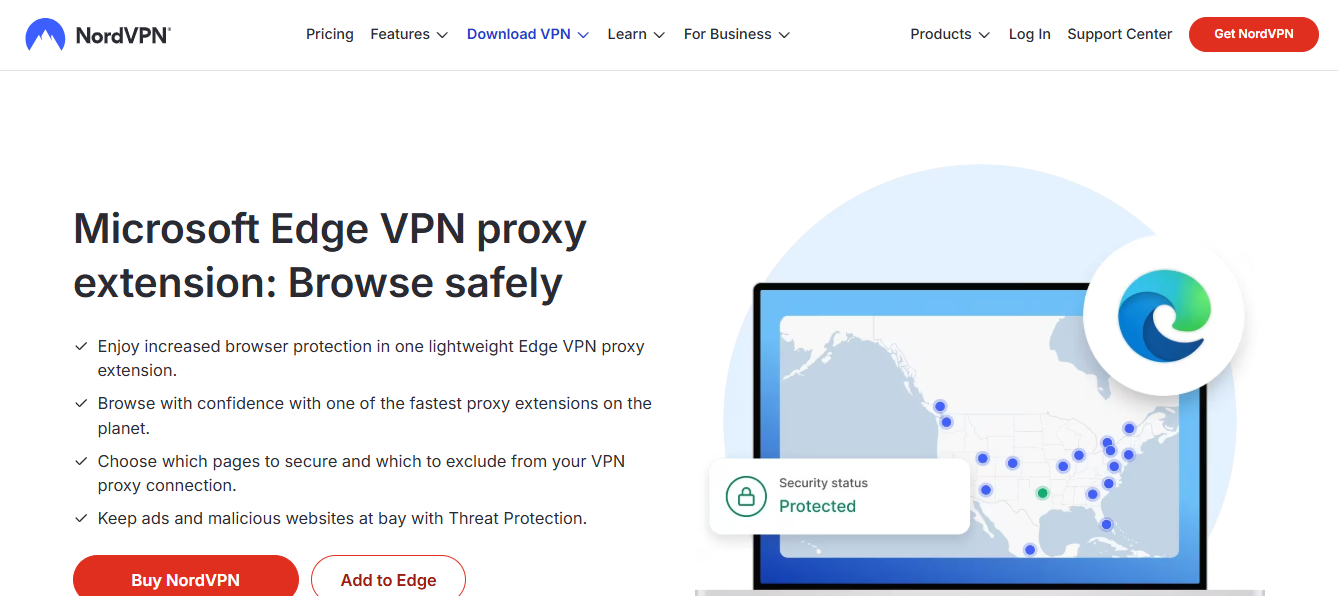
Assess how many devices you have, your need for dedicated IP, and whether you’ll benefit from priority support and premium server access. Nordvpn on microsoft edge your key to a safer faster browser experience in 2026
Frequently Asked Questions
- What’s the main difference between Letsvpn platinum and standard?
- Do I need a dedicated IP?
- Can I downgrade from Platinum to Standard?
- Is Premium worth it for casual use?
- How many devices can I protect at once?
- Does Letsvpn slow down internet speed?
- Are there servers optimized for gaming?
- How do I switch plans safely?
- Can I get a refund if I don’t like the new plan?
- What should I consider before upgrading?
Sources:
Vpn for Starlink and Quantum Fiber A Complete Guide to Online Security
วิธี ตั้ง ค่า vpn ง่ายๆ ใน 5 นาท วิธี ตั้ง ค่า vpn ง่ายๆ ใน 5 นาท: คู่มือ VPN ที่ใช้งานจริงรวมทุกขั้นตอน
Proton vpn ⭐ windows 安装与使用指南:解锁更安全的网络体验
Openvpn Not Connecting Here’s How To Fix It Fast: Quick Fixes, Troubleshooting, And Tips For Stable VPN Access Troubleshoot forticlient vpn not working on windows 11 24h2 and related issues with FortiClient VPN on Windows 11 24H2
虎课网怎么样