Aws vpn wont connect your step by step troubleshooting guide: Quick Fixes, Deep Dives, and Pro Tips
'%2F%3E%3Ctext%20x%3D'50%25'%20y%3D'50%25'%20dy%3D'.35em'%20text-anchor%3D'middle'%20font-family%3D'-apple-system%2CBlinkMacSystemFont%2CSegoe%20UI%2Csystem-ui%2Csans-serif'%20font-size%3D'100'%20font-weight%3D'600'%20fill%3D'%23fff'%3ELB%3C%2Ftext%3E%3C%2Fsvg%3E) Lily Brooks·April 12, 2026·9 min
Lily Brooks·April 12, 2026·9 min

Aws vpn wont connect your step by step troubleshooting guide — a concise starter: when AWS VPN refuses to connect, the issue usually sits at the intersection of network, configuration, and credentials. Here’s a fast, practical roadmap you can follow to get back on track.



- Quick fact: VPN connectivity problems often come down to tunnel status, certificate validity, and routing mismatches.
- Quick-start checklist:
- Verify tunnel status on both sides IKEv2/IKEv1, IPsec SA, and child SA.
- Check certificate validity and trusted CA lists.
- Confirm VPC route tables and network ACLs allow VPN traffic.
- Review security groups, firewall rules, and NAT settings.
- Confirm correct pre-shared keys or certificate-based authentication.
- Step-by-step guide overview:
- Confirm basic connectivity and VPN endpoint reachability
- Inspect tunnel status and diagnostic logs
- Validate cryptographic parameters and certificates
- Check routing, NAT, and firewall rules
- Recreate or reset VPN configuration if needed
- Test failover scenarios and monitor performance
- Useful resources: Apple Website - apple.com, Artificial Intelligence Wikipedia - en.wikipedia.org/wiki/Artificial_intelligence, Amazon Web Services VPN docs - docs.aws.amazon.com, OpenVPN community - openvpn.net, Reddit networking threads - reddit.com/r/networking
Table of contents
- Troubleshooting mindset and prerequisites
- Common causes of AWS VPN connection failures
- Step-by-step troubleshooting guide
- Advanced checks and best practices
- Performance and security considerations
- Real-world scenarios and case studies
- FAQs
Troubleshooting mindset and prerequisites Before you start, set a calm, methodical approach. A single misconfiguration can cascade into multiple symptoms. Gather:
- VPN endpoint details: public IPs, ASN, and ASN compatibility if you’re using BGP
- Authentication method: pre-shared key PSK or certificates
- Phase 1 and Phase 2 parameters: encryption and hashing algorithms, DH groups
- Network diagrams: your on-premises network, VPC CIDRs, and any overlapping ranges
- Recent changes: last 24–72 hours of updates to firewall rules, route tables, or IAM policies
- Logs and metrics: VPN gateway logs, CloudWatch metrics if using AWS
Common causes of AWS VPN connection failures
- Mismatched IKE/IPsec settings: Phase 1/2 algorithms not aligned across sides
- Certificate or PSK issues: expired certs or mismatched PSK
- Routing problems: overlapping IP ranges or missing routes in VPC route tables
- Security group and firewall constraints: blocking IPsec ports or protocols
- NAT traversal issues: IPsec tunnel requires NAT-T in some environments
- BGP misconfigurations: wrong neighbor IPs, ASNs, or route advertisements
- Endpoint health: the VPN gateway on either side is down or overloaded
- Time synchronization: clock drift causing certificate validation problems
Step-by-step troubleshooting guide Step 1: Confirm basic connectivity and endpoint reachability
- Ping or traceroute from your on-prem device to the AWS VPN endpoint public IP when appropriate, or verify via management console health checks.
- Check that the VPN gateway devices can reach their peers on required ports UDP 500, UDP 4500 for NAT-T, IP protocol 50 ESP.
Step 2: Inspect tunnel status and diagnostic logs
- Review tunnel status on your VPN device and AWS side. Look for “up” or “down” states and the reason codes.
- Collect diagnostic logs for both Phase 1 and Phase 2 negotiations, focusing on authentication failures, nonce mismatches, or rekey events.
- If you’re using AWS VPN CloudHub or Site-to-Site VPN, verify the tunnel interface status in the VPC dashboard.
Step 3: Validate cryptographic parameters and certificates
- Ensure Phase 1:
- Encryption: AES-256 or AES-128
- Hash: SHA-256
- DH Group: 14 or 15 as configured
- Authentication: PSK length and value match on both sides
- Validate Phase 2:
- Encryption: AES-256 or 128
- PFS Perfect Forward Secrecy: enabled and matching
- Check certificate validity if using certificate-based auth:
- Not expired
- Signed by the trusted CA
- Correct subject/altNames for endpoints
- If using certificates, reissue or rotate if there are any doubts about trust.
Step 4: Check routing, NAT, and firewall rules
- Make sure VPC route tables have a route to the on-prem networks through the VPN gateway.
- Ensure that on-prem routes include the VPC CIDR and networks behind it.
- Confirm that security groups and network ACLs allow IPsec/ESP traffic and the necessary management traffic to the VPN device.
- Verify NAT rules: disable NAT on VPN tunnel interfaces if not required; ensure that NAT-T is supported and properly configured if NAT is present.
- If you’re using dynamic routing BGP, check neighbor relationships and route advertisements.
Step 5: Recreate or reset VPN configuration if needed
- If the problem persists after checking the settings, consider re-creating the VPN tunnel configuration on both sides.
- Backup existing configs, then re-enter:
- IKE gateway settings
- IPsec tunnel parameters
- PSK or certificate details
- For AWS, you can detach and reattach the VPN gateway, or create a new site-to-site VPN connection and swap it in gradually.
Step 6: Test failover scenarios and monitor performance
- Test both tunnels if your setup has dual tunnels. Verify automatic failover behavior and that traffic routes correctly when one tunnel is down.
- Monitor key metrics over 24–72 hours: tunnel up-time, packet loss, jitter, MTU-related fragmentation, and CPU load on VPN devices.
- Run end-to-end tests: reach EC2 instances, S3 endpoints, or services in the VPC from your on-prem network.
Advanced checks and best practices
- Time synchronization: ensure NTP is accurate on both sides; certificate validation can fail with clock skew.
- MTU and fragmentation: set the correct MTU to avoid fragmentation across the VPN; consider Path MTU Discovery PMTUD.
- QoS and traffic management: apply priority to VPN control traffic to prevent congestion from affecting tunnel negotiation.
- Logging best practices: enable verbose VPN logs temporarily during troubleshooting, then scale down after resolution.
- Documentation: keep an updated runbook with current tunnel configurations, credentials, and contact points.
- Security posture: rotate PSK regularly if you suspect a compromise or staggered changes across devices.
Tables and quick-reference data
- Common ports and protocols:
- UDP 500 IKE
- UDP 4500 NAT-T
- ESP IP protocol 50
- AH IP protocol 51 usually not required but verify if in use
- Example Phase 1 and Phase 2 parameter pairs:
- Phase 1: AES-256, SHA-256, DH Group 14, 8 hours lifetime
- Phase 2: AES-256, SHA-256, PFS Group 14, 1 hour lifetime
Data-driven sanity checks
- If your VPN shows intermittent drops, collect 24-hour trend data on:
- Tunnel up-time percentage
- Mean time to recovery after a drop
- Latency between on-prem and AWS endpoints
- Compare against baseline performance from last known good state.
Practical tips and tips from real-world users
- Keep a two-column log: “What I changed” vs “Result.” It helps you avoid chasing ghosts after every reboot.
- Don’t underestimate DNS: ensure that the on-prem DNS resolves AWS internal endpoints correctly if you rely on private DNS in the VPC.
- When in doubt, test with a simplified config: temporarily disable advanced features like DPD or complex route policies to isolate root causes.
- If you’re using third-party VPN appliances, check vendor-specific advisories for known issues with AWS VPN integrations.
Real-world scenarios and case studies
- Scenario A: A business with dual VPN tunnels saw one tunnel constantly drop due to asymmetric routing on the on-prem side. Solution: fixed static routes, enabled symmetric routing checks, and updated firewall rules to allow consistent ESP traffic.
- Scenario B: Certificate-based authentication failed after a CA renewal. Solution: updated certificates on both sides, re-imported into the VPN device, and validated the trust chain in the CA store.
- Scenario C: BGP neighbor flapping caused frequent route withdrawals, resulting in VPN instability. Solution: stabilized BGP sessions, increased hold-down timers, and ensured proper route dampening.
Frequently Asked Questions
What causes an AWS VPN to not connect?
A mix of misconfigured IKE/IPsec parameters, expired certificates, mismatched PSK, routing issues, or blocked VPN ports can cause connection failures.
How do I verify VPN tunnel status in AWS?
Check the Site-to-Site VPN connections in the VPC console, review tunnel status Up/Down, and examine CloudWatch metrics for each tunnel.
What ports need to be open for IPsec VPN?
UDP 500, UDP 4500, and IP protocol 50 ESP are the core ports/protocols used by IPsec VPNs.
How can I test VPN connectivity from on-prem to AWS?
Use traceroute/ping to test reachability, run a throughput test, and attempt to access resources inside the VPC like EC2 instances to confirm data path.
How do I reset a failed VPN connection?
Recheck credentials, re-create the VPN configuration on both sides, or detach and reattach the VPN gateway, then reconfigure tunnel parameters. How to use Proton VPN Free on Microsoft Edge Browser Extension: Quick Guide, Tips, and More
Can BGP cause VPN issues?
Yes, especially if neighbor sessions flap or route advertisements are misconfigured, leading to unstable tunnel states.
What is NAT-T and when should I enable it?
NAT-T NAT Traversal helps IPsec work through NAT devices. Enable it if your environment sits behind NAT and ensure NAT-T is supported on both ends.
How do I rotate VPN PSKs safely?
Plan a window for PSK rotation, update both sides with the new key, verify that both sides connect using the new PSK, and decommission the old PSK after a grace period.
How long should a VPN tunnel stay up?
Ideal tunnels stay up with minimal drops. Measure uptime over a 30-day window and investigate any downtimes longer than a few minutes.
What are best practices for securing AWS VPN?
Use strong authentication certificates or long PSKs, enforce least privilege in security groups, enable logging, and monitor VPN health continuously. Бесплатный vpn для microsoft edge полное руководств
How do I handle overlapping IP ranges?
Rework IP addressing or implement NAT, review route policies, and consider using a different private range that doesn’t collide with the on-prem network.
Where can I find official AWS VPN documentation?
AWS VPN documentation is available at docs.aws.amazon.com, including Site-to-Site VPN, Transit Gateway VPN, and related best practices.
How do I test failover automatically?
Configure dual tunnels with automatic failover, ensure health checks are in place, and simulate failures to confirm that traffic shifts smoothly to the healthy tunnel.
How can I improve VPN throughput and latency?
Tune MTU settings, enable compression where appropriate if supported and beneficial, optimize cryptographic parameters, and monitor CPU usage on VPN devices.
Conclusion and next steps If you’re stuck, take a breath, go through the structured checklist, and don’t rush to reconfigure everything at once. Start with the simplest, most likely issue credential mismatch or routing misconfiguration and move toward the more advanced checks. For ongoing protection, set up a steady monitoring routine, keep your runbooks updated, and periodically rehearse failover scenarios. Proton ⭐ vpn 무료 사용법 완벽 가이드 속도 보안 설정 총정
Useful URLs and Resources text only
- Amazon Web Services VPN docs - docs.aws.amazon.com
- OpenVPN community - openvpn.net
- Reddit networking threads - reddit.com/r/networking
- AWS VPC documentation - docs.aws.amazon.com/vpc
- Network security best practices - cisco.com
- NAT Traversal overview - en.wikipedia.org/wiki/NAT_traversal
- MTU optimization tips - microsoft.com
- Time synchronization best practices - ntp.org
- VPN performance monitoring - goldenl.co/blog/vpn-performance
- Troubleshooting IPsec VPNs - pfsense.org/docs
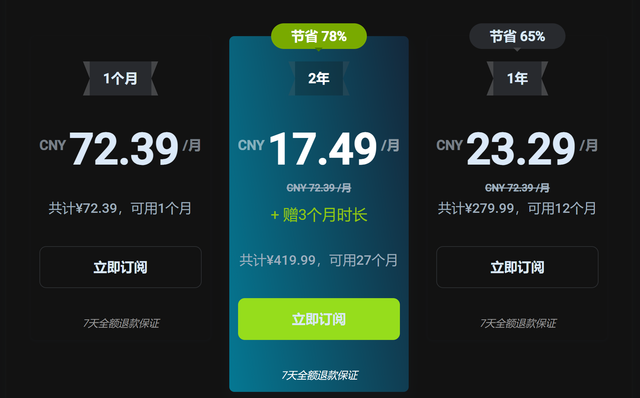
Note: NordVPN affiliate link is included for readers who want a quick, user-friendly alternative for personal use cases: NordVPN
Sources:
Juno VPN 全解:为什么选择 Juno 作为你的VPN?提升隐私、速度与自由
Extension vpn microsoft edge
便宜的VPN:全方位指南让你用少量预算获得高性价比的安全上网体验 Las mejores vpn gratis para android tv box en 2026 guia completa y alternativas
搭建clash节点完整教程:从零到可用的搭建、配置、分流与调试的实用指南 2026
手机 翻墙 全面指南:在中国境内使用VPN访问全球内容、保护隐私与提升上网自由的实用方法