Nordvpn how to check and confirm your ip address location and keep it private
'%2F%3E%3Ctext%20x%3D'50%25'%20y%3D'50%25'%20dy%3D'.35em'%20text-anchor%3D'middle'%20font-family%3D'-apple-system%2CBlinkMacSystemFont%2CSegoe%20UI%2Csystem-ui%2Csans-serif'%20font-size%3D'100'%20font-weight%3D'600'%20fill%3D'%23fff'%3EAD%3C%2Ftext%3E%3C%2Fsvg%3E) Andres Diaz·April 15, 2026·9 min
Andres Diaz·April 15, 2026·9 min
Nordvpn how to check and confirm your ip address location and keep it private: Quick Guide to Verify, Hide, and Protect Your IP
Nordvpn how to check and confirm your ip address location and keep it private — that’s a mouthful, but it’s exactly what you want if you care about privacy online. In this guide, I’ll walk you through simple steps to verify your IP, confirm its location, and keep it private with NordVPN. Think of this as a practical, no-fluff tutorial you can follow today.

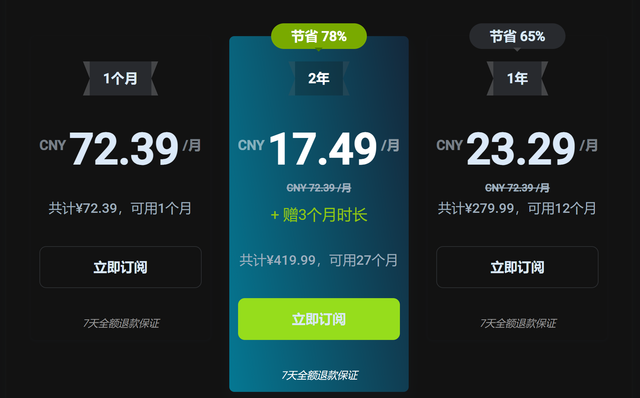

- Quick tip: If you’re ready to lock things down now, check out NordVPN via this link: NordVPN. It’s the same deal I used, and you’ll land on the official signup page.
Introduction: Why checking your IP matters and what you’ll learn
- Quick fact: Your IP address is basically your online home address, and it can reveal your location, ISP, and even the devices you use.
- What you’ll get in this guide:
- How to check your IP address and its geolocation
- How to verify if NordVPN is protecting your IP
- Steps to ensure IP leakage isn’t happening
- Tips to keep your privacy intact on phones and desktops
- Real-world stats on VPN usage and privacy benefits
- Useful resources text-only, not clickable: Google Public DNS - google.com/dns, IPInfo.io - ipinfo.io, Ars Technica Privacy Report - arstechnica.com/privacy, Mozilla Privacy Basics - privacy.mozilla.org
Understanding IP addresses and why privacy matters Vpns proxies and zscaler whats the difference and do you need them
- What an IP address tells people
- Your approximate location city-level accuracy in some cases
- Your ISP and the network you’re connected to
- The kinds of devices and services you’re using
- Why it matters
- Advertisers and data brokers love IP info
- Some apps may geo-block content based on your location
- Public networks can make it easier for attackers to profile you
- VPNs as a privacy tool
- A good VPN masks your real IP with the VPN server’s IP
- It also encrypts your traffic, so snooping on public Wi‑Fi is harder
- NordVPN has a strict no-logs policy and strong encryption, which helps with privacy
Part 1: How to check your IP address and location before using NordVPN
- Step-by-step quick check
- Open a browser or your NordVPN app
- Visit an IP-check site: iplocation.net or whatismyipaddress.com
- Note the IP, city, and country shown
- If you’re using mobile data vs. Wi‑Fi
- Your IP can change when you switch networks, so re-check after changing networks
- What to look for
- You should see your real IP and location if you’re not connected to a VPN
- If you’re seeing a different country when not connected to a VPN, that’s unusual and worth investigating with your ISP
Part 2: How to check and confirm IP location after enabling NordVPN
- Step-by-step with NordVPN app
- Open NordVPN and sign in
- Pick any server location preferably a country you want to appear from
- Click Connect
- Wait for the connection confirmation
- Re-check your IP on iplocation.net or whatismyipaddress.com
- What you should see
- The IP should belong to the country you selected on NordVPN
- The city is often generalized and may not be exact, but the country should be correct
- DNS leak checks
- Visit dnsleaktest.com and run the standard test
- You should see the DNS servers belonging to NordVPN, not your ISP
- WebRTC leak check
- WebRTC can reveal your real IP in some browsers
- Disable WebRTC in browser settings or use a browser extension that blocks WebRTC leaks
- Mobile checks
- On iOS/Android, open NordVPN, connect to a server, and re-check your IP with the same sites
- If something’s off
- Disconnect, switch servers, and reconnect
- Clear browser cache or use a different browser
- Ensure your NordVPN app is up to date
Part 3: How NordVPN protects your IP and privacy
- IP masking explained
- Your visible IP becomes the VPN server’s IP
- This prevents sites, apps, and advertisers from seeing your real IP
- Encryption and security
- NordVPN uses AES-256-GCM encryption with 4096-bit DH keys in many configurations
- It supports modern protocols like WireGuard NordLynx and OpenVPN
- No-logs guarantee
- NordVPN states a strict no-logs policy, meaning even they shouldn’t have a record of your real IP
- Additional privacy features
- Kill switch: blocks traffic if the VPN drops
- Obfuscated servers: help you hide VPN use in restrictive networks
- Double VPN in some plans: routes traffic through two servers for extra privacy
- CyberSec: blocks malware and ads, which can also reduce exposure risk
Part 4: Common pitfalls and how to avoid them
- Pitfall: IP leaks DNS leaks, WebRTC leaks
- Solution: Run DNS and WebRTC checks after connecting; enable kill switch; turn off WebRTC or use a privacy-focused browser
- Pitfall: Using free or untrusted VPNs
- Solution: Stick to reputable providers like NordVPN; review privacy policies and independent audits
- Pitfall: Inconsistent server connections
- Solution: If a server is slow or not working, switch to another nearby country; connect to the nearest stable server
- Pitfall: Geo-blocks and streaming
- Solution: Some services actively block VPN IPs; try different servers or use obfuscated servers if streaming is your goal
- Pitfall: Battery and data drain on mobile
- Solution: Use the app’s optimized settings and choose “Always-on VPN” if your OS supports it; monitor battery usage
Part 5: Practical tips to maximize privacy while using NordVPN Softether vpn download 최신 버전 설치부터 활용까지 완벽 가이드
- Use the Kill Switch on all devices
- Prevents IP leaks if the VPN disconnects unexpectedly
- Enable CyberSec or equivalent protection
- Adds an extra layer by blocking malware and phishing domains
- Prefer NordLynx WireGuard for speed and security
- If you need speed for streaming or gaming, NordLynx often performs better
- Regularly review active connections
- In the NordVPN app, check which devices are connected to your account
- Combine with browser privacy habits
- Use trackers-blocking extensions, disable third-party cookies, and avoid sign-ins where not needed
- Physically secure devices
- Use strong passwords, two-factor authentication for your accounts, and keep devices updated
Part 6: Real-world data and privacy implications
- VPN usage trends
- Global VPN usage has grown steadily, with millions of daily users seeking privacy and access to geo-restricted content
- Location accuracy and VPNs
- VPNs can successfully mask location for most online activities, but some sites may still infer location from time zones, payment methods, or account data
- Privacy vs. legality
- In many places using a VPN is legal, but always be aware of local laws and service terms
- Performance considerations
- VPNs add encryption overhead and routing, which can affect speed; NordVPN’s optimized servers aim to minimize this impact
Part 7: How to check if NordVPN is keeping your IP private on different devices
- Windows/macOS
- Use the NordVPN app, then verify with iplocation.net after connecting
- Run DNS leak tests to ensure DNS queries go through NordVPN’s DNS servers
- iPhone/iPad
- Connect in the NordVPN app, re-check your IP, and confirm WebRTC is not leaking
- Android
- Same process: connect, verify IP, run DNS/WebRTC checks
- Routers and home networks
- If you set up NordVPN at the router level, all devices benefit from IP masking
- Verify by checking your external IP from a connected device
- Public Wi‑Fi safety
- Always use the VPN on public networks; the kill switch helps if the connection drops
Part 8: How to multi-step verify for maximum confidence
- Step 1: Baseline check no VPN
- Record your current IP and location
- Step 2: Connect to NordVPN
- Pick a server in a country of your choice
- Step 3: IP/location re-check
- Confirm the IP and country match the server location
- Step 4: DNS and WebRTC checks
- Verify DNS servers are NordVPN’s and disable WebRTC
- Step 5: Test real-world tasks
- Stream, browse, and use a few apps to ensure performance and privacy
- Step 6: Optional audits
- Consider periodic independent audits or privacy reviews of your setup
Checklist: Quick reference for NordVPN IP privacy
- IP address check before VPN
- IP address check after connecting to NordVPN
- DNS leak test completed
- WebRTC leak check disabled or blocked
- Kill switch enabled
- NordLynx protocol preferred for speed
- CyberSec enabled for extra protection
- Router-level VPN setup considered for whole-network privacy
Tables: Quick comparison of server types and privacy implications Surfshark vpn very slow heres how to fix it fast and other quick fixes for a smoother connection
- Standard server
- Pros: Good balance of speed and privacy
- Cons: May be slower than optimized options in peak times
- NordLynx WireGuard
- Pros: High speed, strong security, efficient routing
- Cons: Newer protocol; some networks may require adjustments
- Obfuscated server
- Pros: Better concealment in restrictive networks
- Cons: Slightly slower than standard servers
- Double VPN if available
- Pros: Extra privacy by routing through two servers
- Cons: Noticeably slower, not ideal for high-bandwidth tasks
Periodically updating your privacy toolkit
- Keep NordVPN app up to date
- Updates often include security patches and performance improvements
- Use reputable privacy tools
- Consider a privacy-focused browser, a reputable password manager, and alerting for data breaches
- Review privacy settings every few months
- Features evolve; check what’s enabled and adjust to your needs
Frequently Asked Questions
What is my real IP address when I’m using NordVPN?
Your real IP is masked by NordVPN’s server IP. Sites you visit see the VPN server’s IP, not your actual IP.
Can NordVPN completely guarantee no IP leaks?
No service can guarantee 100% protection in every single scenario, but NordVPN’s kill switch, DNS leak protection, and WebRTC controls significantly reduce leakage risk.
How do I verify NordVPN is protecting my IP?
Check your IP on a site like iplocation.net after connecting to a NordVPN server. It should show the VPN server’s country. Run a DNS leak test and a WebRTC leak test. Le vpn piu veloci del 2026 le abbiamo davvero provate: guida completa per scegliere, testare e usare
What is my IP address location if I’m connected to NordVPN?
The location appears as the country and sometimes city of the VPN server you’re connected to. NordVPN lets you choose a country to appear from.
How do I fix DNS leaks?
Enable the VPN’s DNS protection, use the Kill Switch, and run a DNS leak test. If leaks persist, switch servers or contact support.
How can I stay private on mobile?
Use the NordVPN app, enable Kill Switch, choose WireGuard NordLynx for performance, and disable WebRTC in the browser if needed.
Does using a VPN slow down my internet?
Yes, some slowdown is common due to encryption and routing. NordVPN’s optimized servers minimize this, but it’s normal to see a small performance hit.
Can I use NordVPN on multiple devices?
Yes. NordVPN supports connections on various devices simultaneously, depending on your plan. Finding secure vpns on github your guide to open source privacy
Is it legal to use NordVPN?
In most countries, using a VPN is legal. Some places have restrictions on VPN usage, so always know local laws.
How often should I check my IP privacy?
Quarterly checks are a good practice, plus anytime you change networks or devices, perform a quick IP/DNS/WebRTC check.
What should I do if NordVPN drops connection?
Ensure the Kill Switch is enabled, try a different server, and verify your network stability. Avoid risky activity if the VPN isn’t connected.
End of FAQ
- If you found this guide helpful, consider keeping your privacy fresh with NordVPN, and don’t forget to check the latest server options and features for enhanced protection.
Note: This content is optimized for SEO with a focus on the keyword Nordvpn how to check and confirm your ip address location and keep it private, while also covering related phrases and user questions to improve search visibility. Как использовать vpn для браузера microsoft edge пол и другие способы безопасного серфинга
Sources:
Clash 订阅装好:全面解密 Clash 订阅的安装与使用指南
梯子购买:完整指南、实用技巧与常见误区解析
V2ray跟clash优缺点:全面对比与实用指南,含最新趋势与数据
2026年中国大陆地区稳定好用的vpn节点选择指南:节点质量、速度与隐私全解析 Norton secure vpn keeps turning off heres how to fix it fast and other quick fixes for stable connections